Home/Workplace health/Risk assessment
A Manual Handling Risk Assessment is essential for identifying and controlling hazards linked to manual handling tasks, particularly those related to musculoskeletal disorders. Recommendations are made for effective risk control strategies that help minimise injury risk while enhancing productivity.
The median time lost for a serious workers compensation claim is over 7 weeks. Musculoskeletal disorders account for 50% of serious claims.
Safe Work Australia
Manual handling risk assessment
Manual handling injuries are not just caused by poor manual handling technique. They accumulate through task design, layout and frequency, which is why assessment is carried out where the work is performed.
TaskFit combines physiotherapy and workplace health and safety expertise, bringing an understanding of injury, physical demands and risk controls together in one assessment.
The detail
TaskFit doesn't make assumptions. The work is watched, the people doing it are asked, and the findings are measured before anything is written down.
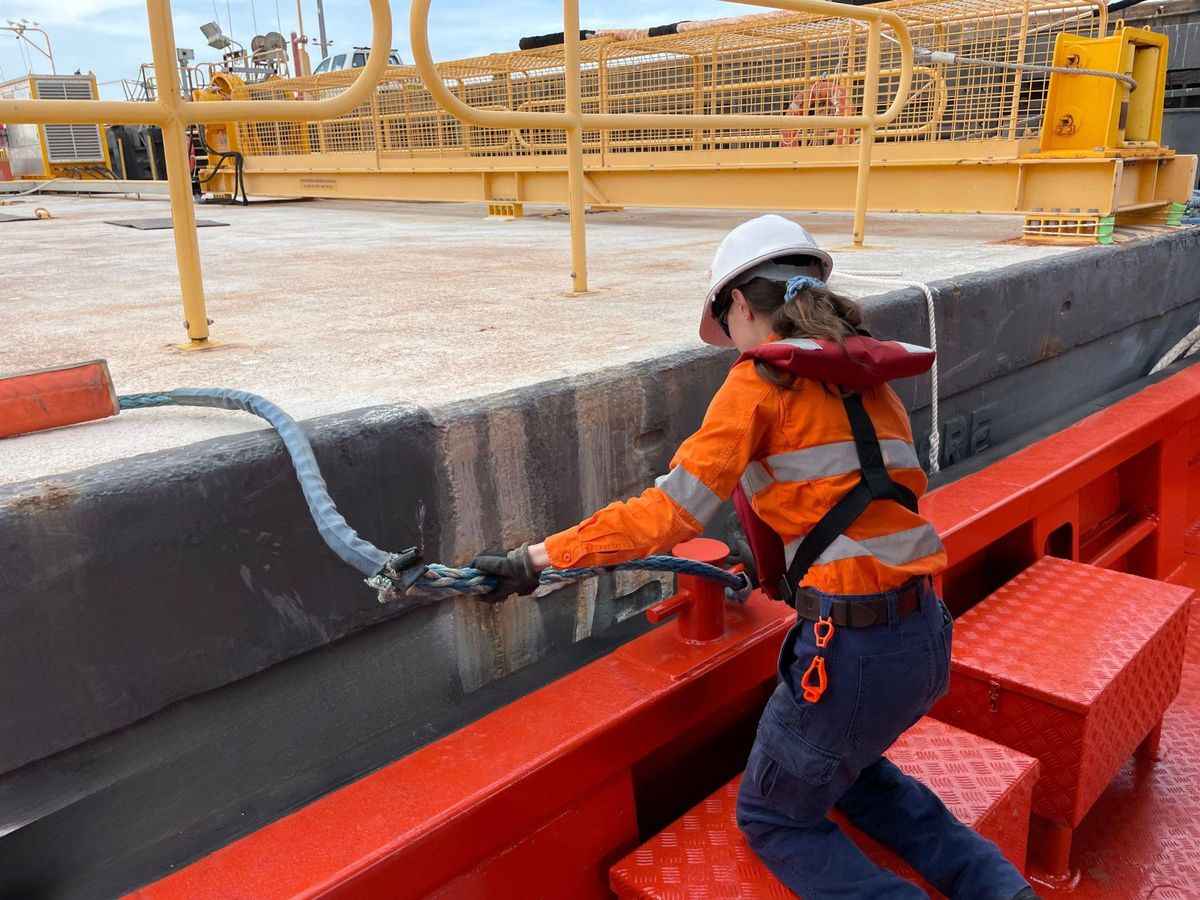
It begins by discussing your WHS goals, current challenges and any recent injury trends. This ensures the assessment is targeted, relevant and aligned with your WHS objectives. The task is then observed in real work conditions, onsite or by video if requested. This allows the physical, cognitive and environmental demands to be assessed firsthand. Workers are consulted throughout the process, ensuring their practical knowledge and experience inform the assessment.
Physical demands such as loads, postures, forces and repetitions are quantified. Each task is assessed using a risk matrix and classified according to its level of demand and risk. Findings are then documented in a comprehensive report, including task analysis, photos and quantitative data, with practical recommendations for risk reduction using the Hierarchy of Controls.
Outcomes
A Manual Handling Risk Assessment helps your business go beyond compliance. It fosters safer, more efficient workplaces and enhances worker wellbeing while addressing workplace safety concerns.
Send the details of your site and we will come back with where to start. The first conversation costs nothing.