Home/Workplace health/Job task analysis
A defensible record of what a role actually demands of the person doing it. Physical, psychosocial and environmental demands documented, with the high risk tasks identified and quantified.
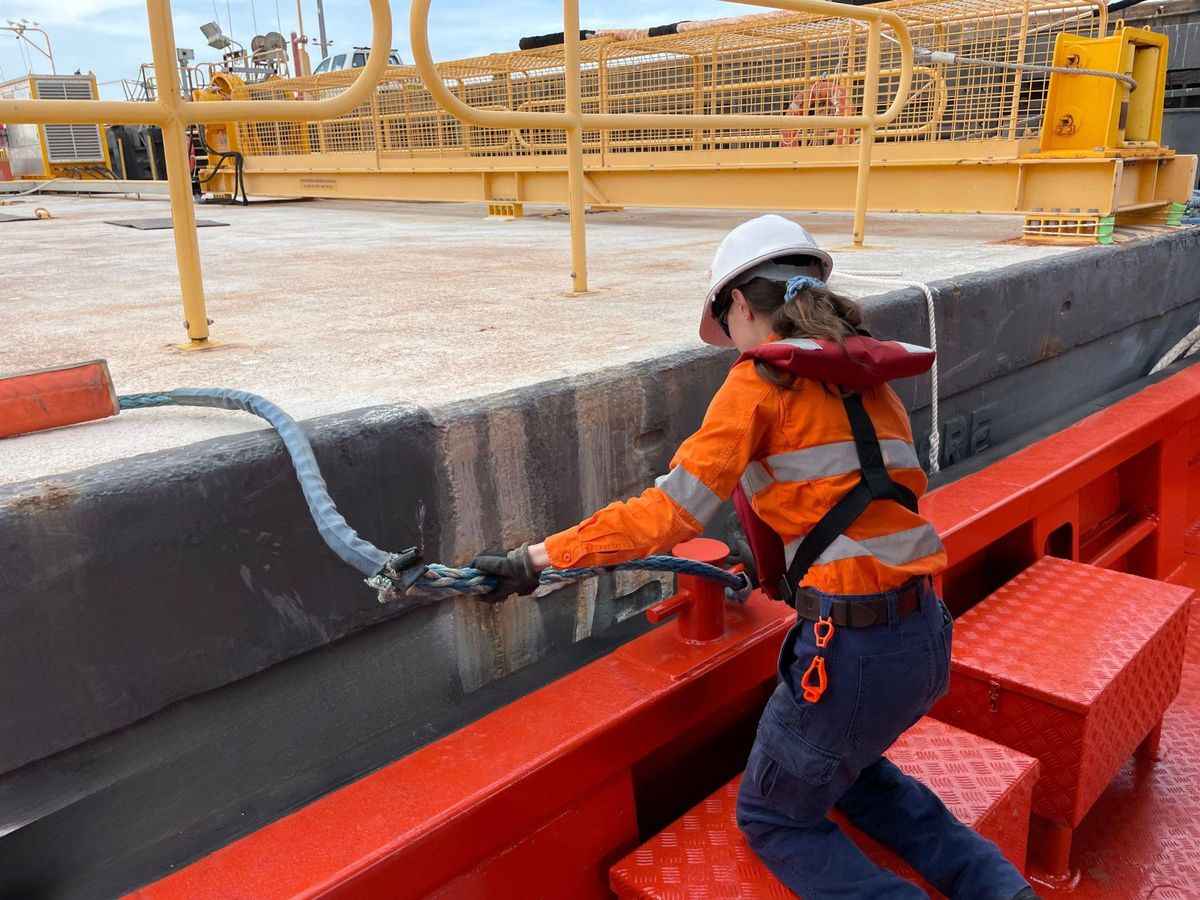
Job task analysis
A Job Task Analysis (JTA) looks at the physical, psychosocial and environmental demands of a role, including the tasks, hazards and capabilities required to perform the work safely. TaskFit brings physiotherapy and WHS expertise together to provide evidence-based JTAs that support injury prevention, risk management and return to work.
A JTA identifies a role’s essential tasks and the hazards associated with them, producing a defensible record whether it is used for recruitment, a return to work plan or a regulator review.
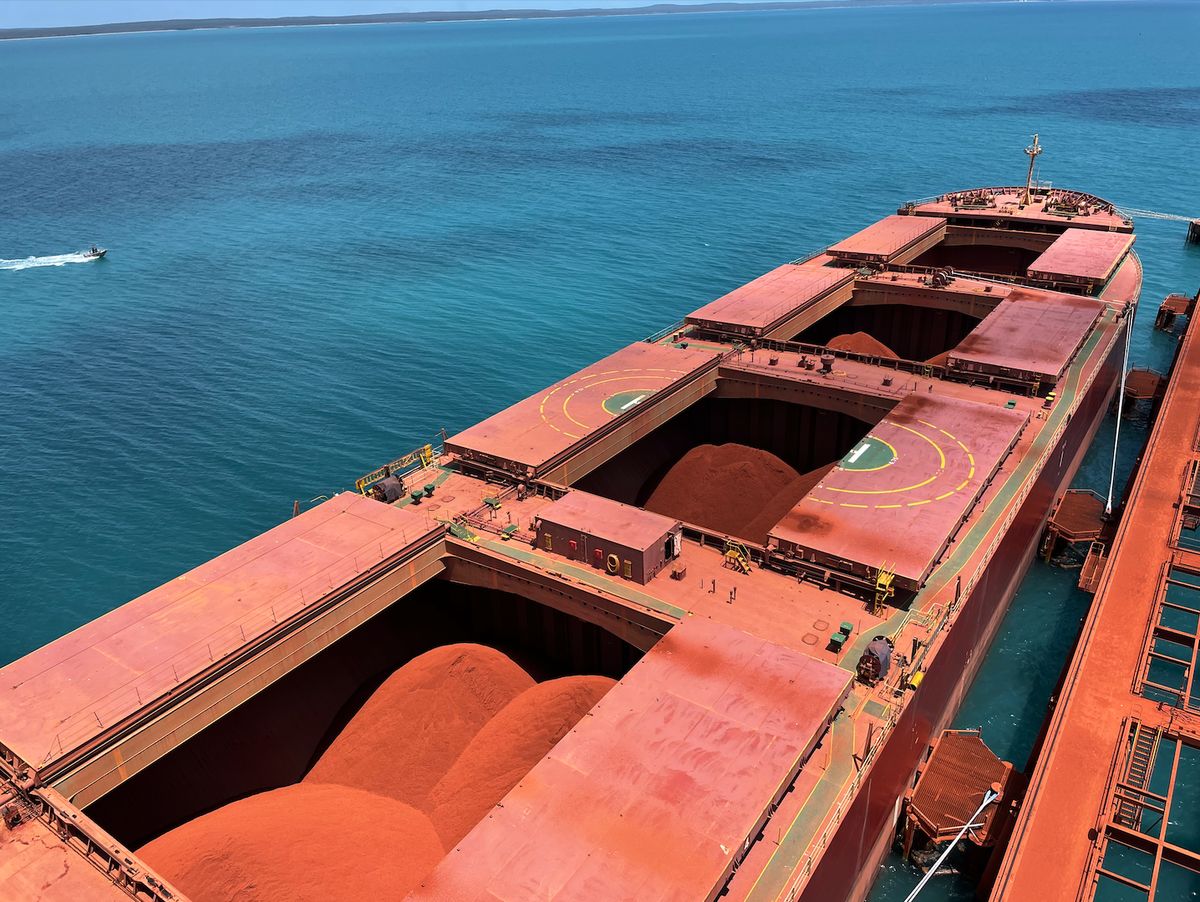
The detail
A job task analysis looks at the whole of the role. What the work demands of the body, the conditions it is done under, and then delivered as a report that puts numbers against both.
Manual handling, postures, repetitive movements and force requirements, along with how often each task occurs and how long it is sustained. Psychosocial factors such as shiftwork, attention demands, workload and stress are assessed alongside.
Environmental demands like temperature, noise, lighting and workspace conditions are recorded. The tasks that carry the most risk are identified and prioritised, and everything is delivered in a written report with the physical demands quantified and classified, with photographs and data.
Outcomes
The same document does several jobs. It tells you where the risk sits in a role, and it gives insurers, doctors and return to work coordinators something objective to work from.
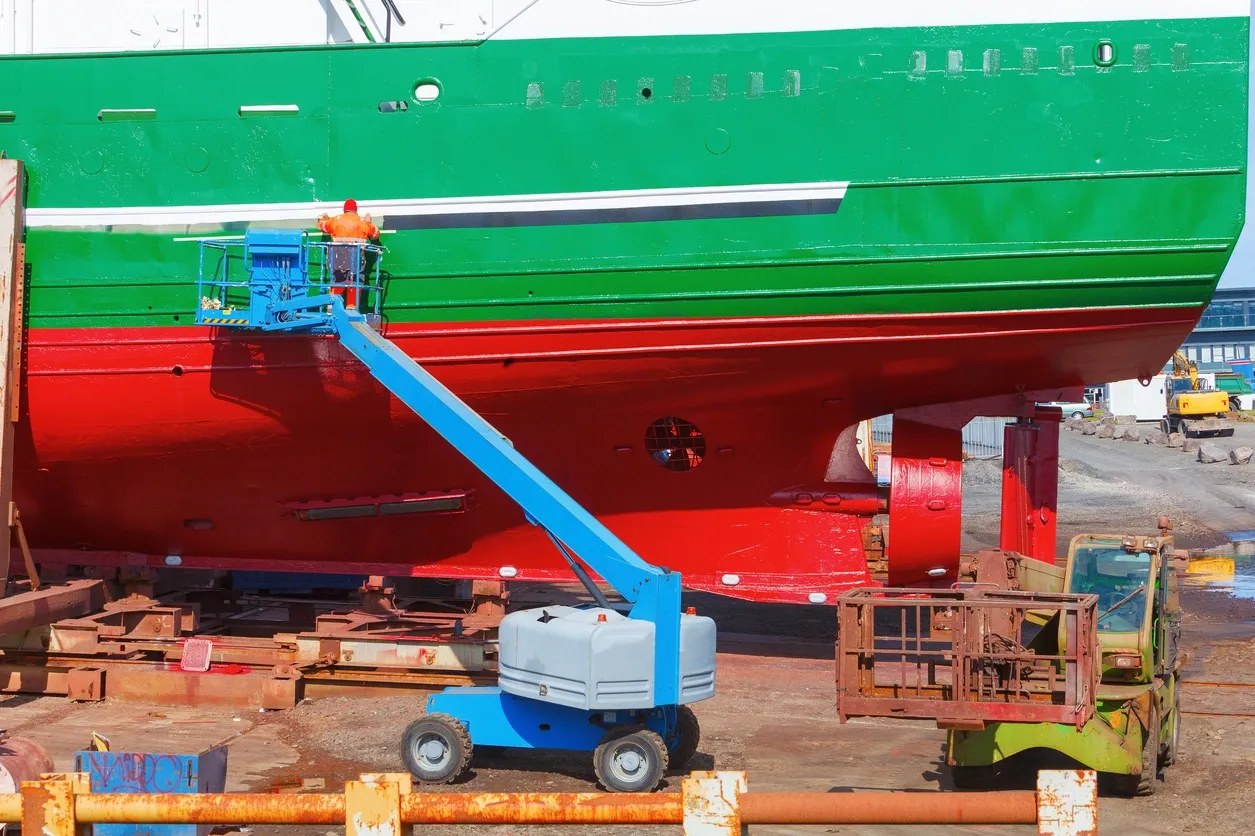
Our process
Six steps, from understanding your WHS goals through to a report your team can act on.
Your WHS goals, current challenges and recent injury trends, so the analysis is targeted and relevant.
Existing data reviewed before anybody goes on site, so the roles carrying real risk are the ones assessed.
The role observed as it is actually performed, in real work conditions.
The people doing the job are consulted, so their practical knowledge informs the analysis.
Loads, postures, forces, repetitions, frequency and duration measured and classified.
A written report with task analysis, photographs, quantitative data and practical recommendations.
The median time lost for a serious workers compensation claim is 7 weeks. Musculoskeletal disorders account for 50% of serious claims.
Safe Work Australia
Send the details of your site and we will come back with where to start. The first conversation costs nothing.